Two memberships.
Same curriculum. Same mentors. Same XP system. Choose the one that fits where your student is in the world.
Learning hrs / month
Skill categories
Pathway levels
Build-first
Same academy. Two ways in.

RoboCloud Online
Fully remote robotics academy. 12 hours per month — 6 live + 6 on-demand.
Best for
- Students outside the GTA
- Families with travel-heavy schedules
- Self-driven builders who love async
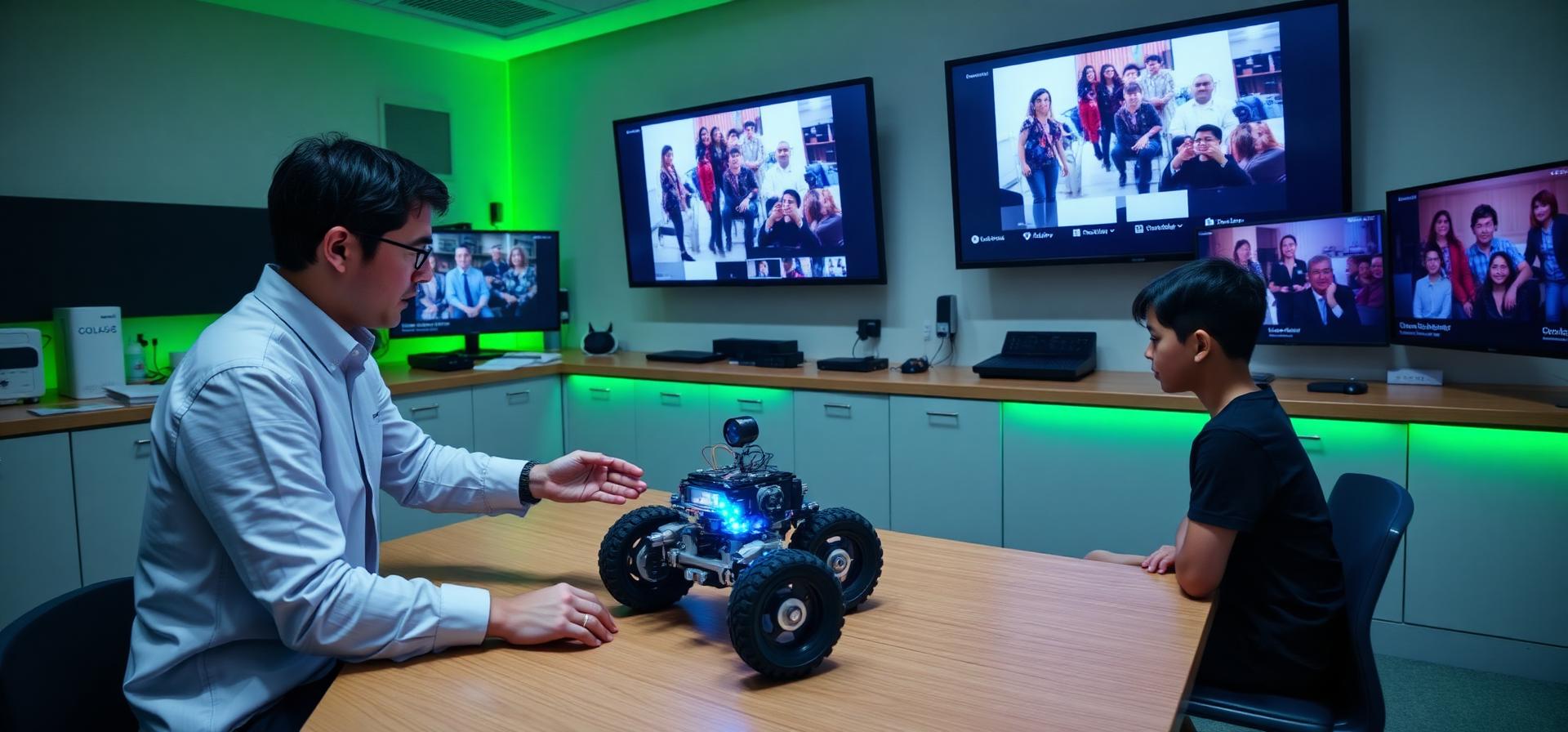
RoboMix Hybrid
Everything in RoboCloud + 3 hours of in-person hybrid lab time per month at our Steeles hub.
Best for
- GTA families
- Students who learn by touching
- Future competition team members
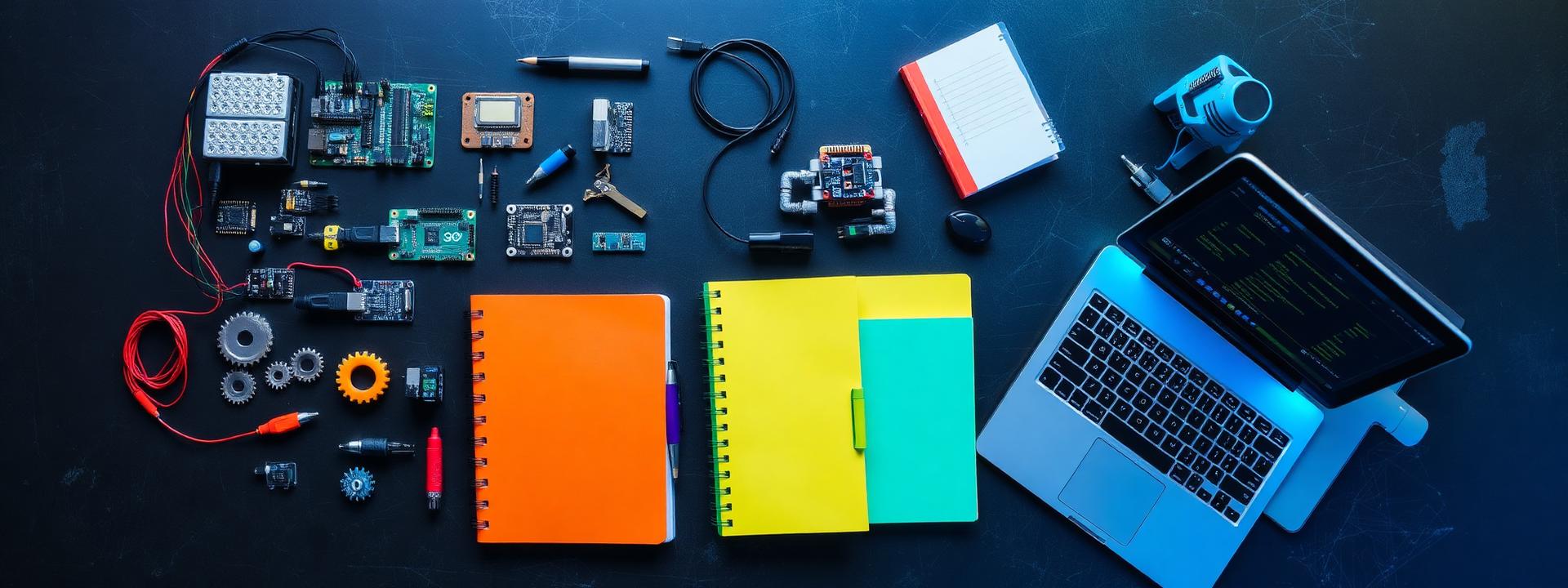
Twelve learning categories. One coherent path.
Motors, motion, kinematics, and the physics of movement.
Circuits, microcontrollers, signals, power, and safety.
Distance, vision, IMU, encoders, servos, and end-effectors.
Block → Python progression with real debugging discipline.
Virtual sandboxes for trying ideas before touching hardware.
Perception, decisions, feedback loops — applied to robots.
Structure, gear ratios, tolerances, and CAD-style thinking.
Build logs, version notes, and engineering write-ups.
Pair builds, peer review, and showcase storytelling.
Strategy, match logs, drive practice, and pressure reps.
Lab safety, responsible AI, and digital citizenship.
A real, public body of work students are proud of.
Real classes. Real mentors. Real conversations.
Live sessions run on Google Meet with an instructor and a co-mentor. Cohorts are small — typically 8–12 students — so every voice gets heard and every build gets seen. Sessions are recorded so missed classes never derail the journey.
- 8–12 students per cohort
- Instructor + co-mentor in every session
- Sessions recorded for makeups
- Cameras-on culture for engagement
- Live debugging walkthroughs
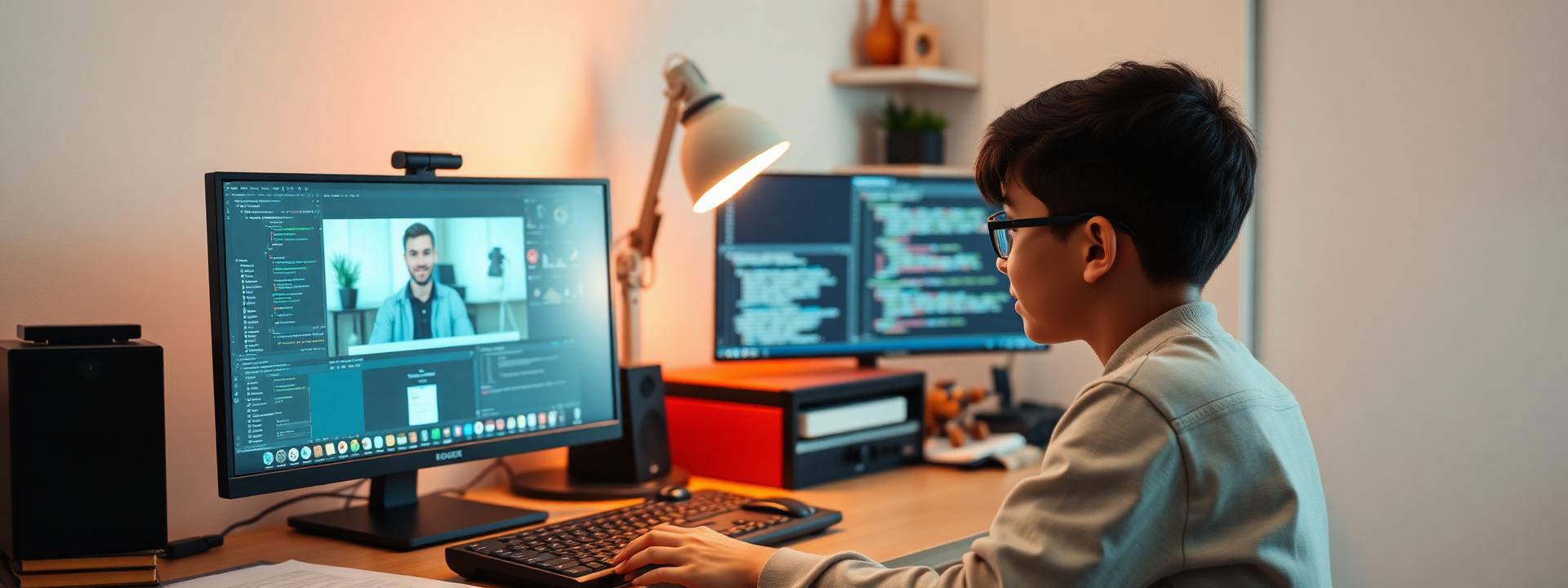
What a typical week feels like.
Live cohort class
Warmups, concept of the week, paired build sprint, mentor Q&A.
On-demand lesson
Self-paced video + interactive checkpoint quiz with instant feedback.
Build challenge
Apply the week's concept to a real robot task. Submit a Build Log.
Peer review
Comment on two peer projects. Earn collaboration XP.
Mentor office hours
Drop-in support, debugging help, stretch challenges.
Hybrid lab (RoboMix)
Hands-on build at the Steeles hub. Hardware, sensors, real space.
Showcase & rest
Optional showcase reviews, leaderboard recap, recharge.
RoboCloud vs RoboMix — the honest comparison.
Hover any row to see what it actually means in plain English — written for parents.
- • You live anywhere in the world
- • Your child thrives online and self-paces well
- • You want the most flexible weekly schedule
- • You can reach our Markham hub on Saturdays
- • Your child learns best with hands-on lab time
- • You want priority into the competition track
What a year looks like at Maple Mind.
Foundations clicking
Core motion, sensors, and a first published Build Log entry. Cohort feels like home.
Real builds shipping
Independent projects, debugging on their own, comfortable with the kit and the language.
Engineer mindset
Project planning, peer feedback, simulation, and a portfolio they're actually proud of.
Competition or showcase
Either entering competition track or shipping a public showcase project with mentor review.
What students walk away with.
Ships real projects
By month 3, students publish working builds — not just lessons consumed.
Engineer mindset
Plans, debugs, iterates, and documents like a junior engineer.
Competition-ready
Pathway opens into competition track with a real match log.
University-ready
Portfolio that holds up in admissions and program interviews.
Communicates clearly
Presents builds, defends choices, and gives kind peer feedback.
Confident with hardware
Comfortable with sensors, wiring, and safe lab practice.
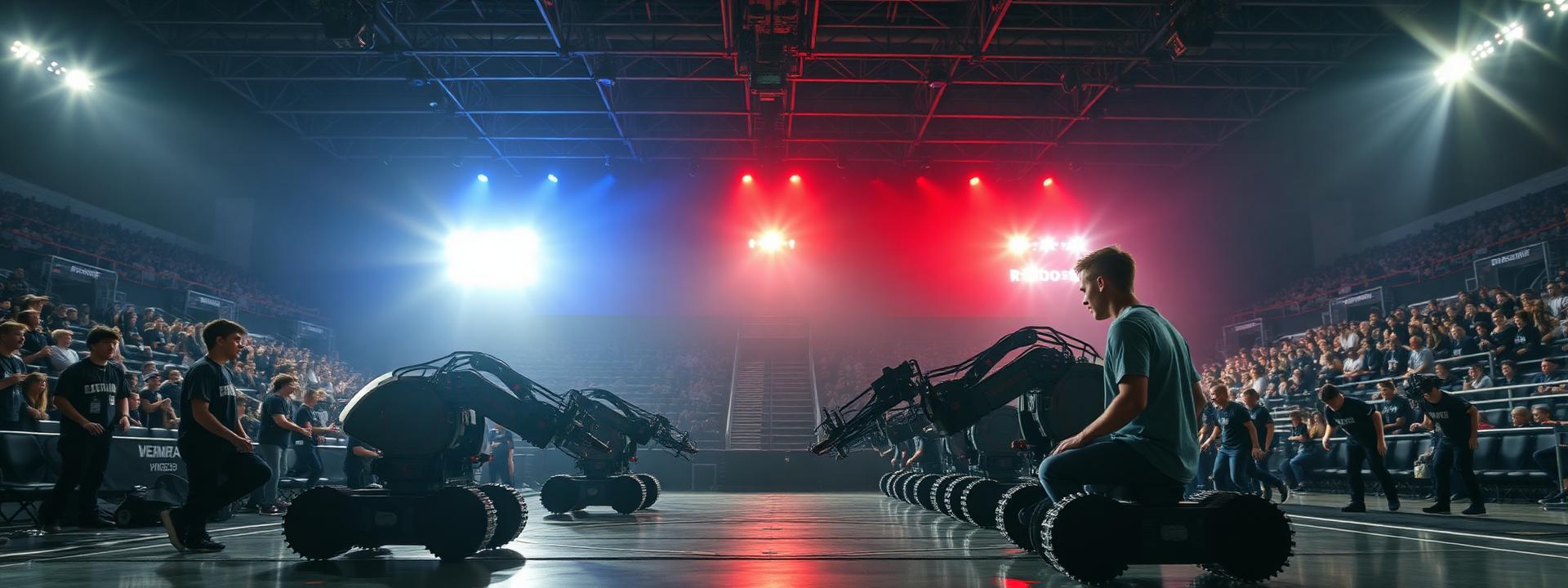
Built for students who want to go all the way.
At Level 5, students enter Competition Lab — strategy, drive practice, match logs, and showcase ribbons. RoboMix members get priority access.
Questions parents actually ask.
Not sure which plan fits? Let us place you.
A short discovery flow recommends the right pathway and plan based on age, readiness, and goals.